Evaluating Heat Pump Costs and Multi-Tech Energy Data
Recent reports from July 2026 highlight how heat pump efficiency, spark spreads, and combined technology systems impact UK household energy bills.
- Written by
- Net Zero Home Scheme editorial team
- Last updated
- Topic
- heat pumps, solar pv, home battery
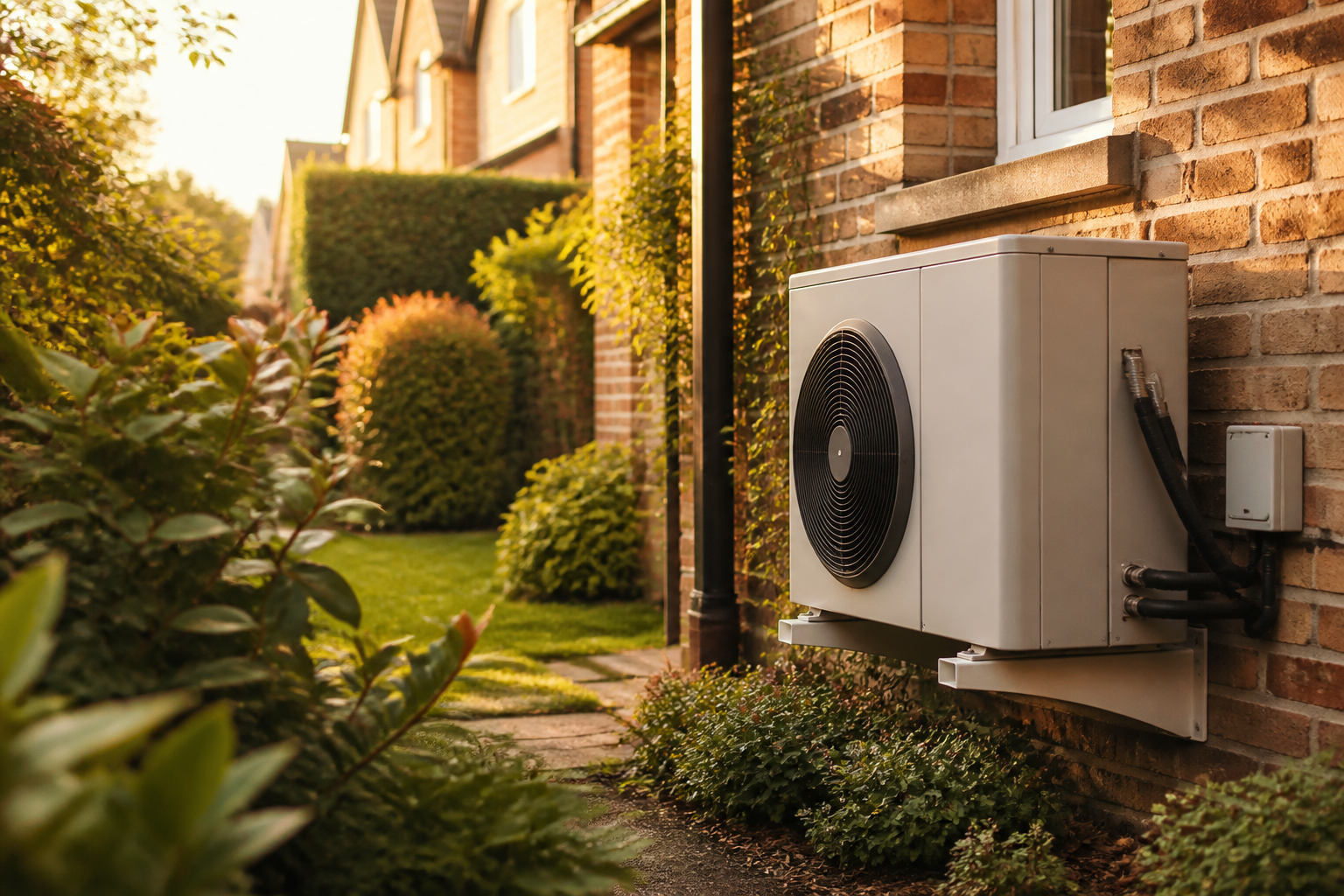
In July 2026, a series of reports from energy analysts, industry leaders, and media outlets highlighted the economic realities of the UK home energy transition. On 20 July 2026, Yahoo News UK published an analysis examining why some heat pumps fail to deliver expected running cost savings, pointing directly to electricity pricing structures and system design parameters. On the same day, Energy Live News reported on industry modeling showing that combining low-carbon technologies, such as solar panels, battery storage, and heat pumps managed with smart tariffs, can cut total household energy bills by more than 80 percent.
Additional reporting from Lombard Odier on 28 July 2026 emphasized how domestic solar generation protects households against wholesale price spikes and high summer cooling demands, while E.ON UK published commentary on 17 July 2026 calling for social fairness and tariff reform in Britain's grid transition.
Together, these published findings present a clear picture for UK householders: individual green technologies perform vastly differently depending on energy tariffs and installation quality, but integrated systems deliver substantial economic benefits. Understanding how these factors interact helps property owners make informed decisions when upgrading heating, generation, and storage infrastructure.
Understanding the heat pump cost report
The report published by Yahoo News UK on 20 July 2026 addressed a common source of frustration among UK homeowners: why installing an air source heat pump does not automatically reduce annual running costs compared to a modern gas boiler. The core issue lies in the UK energy market's spark spread, which is the relative ratio between electricity and mains gas prices per kilowatt-hour (kWh).
Under standard unit rates regulated by Ofgem, electricity historically costs roughly three to four times as much per kWh as mains gas. An air source heat pump operates with high thermodynamic efficiency, measured as the Seasonal Coefficient of Performance (SCOP). A system with an SCOP of 3.0 delivers 3 kWh of space heating or hot water energy for every 1 kWh of electricity consumed. If electricity costs 24.5p per kWh and mains gas costs 6.2p per kWh, a heat pump with an SCOP of 3.0 produces heat at an effective cost of roughly 8.17p per kWh. In this scenario, running the heat pump costs slightly more per unit of heat generated than an efficient condensing gas boiler operating at 90 percent efficiency, which costs roughly 6.89p per kWh of heat output.
To deliver lower heating bills than gas, a heat pump must either achieve an SCOP above 3.5 through low flow temperatures (such as 35 degrees Celsius or 45 degrees Celsius) or operate on a flexible time-of-use tariff that offers lower electricity rates during off-peak hours. Heat pumps set to high flow temperatures, such as 60 degrees Celsius to suit older, undersized radiators, experience reduced efficiency, increasing electricity consumption and raising bills.
How combining clean energy tech cuts household bills
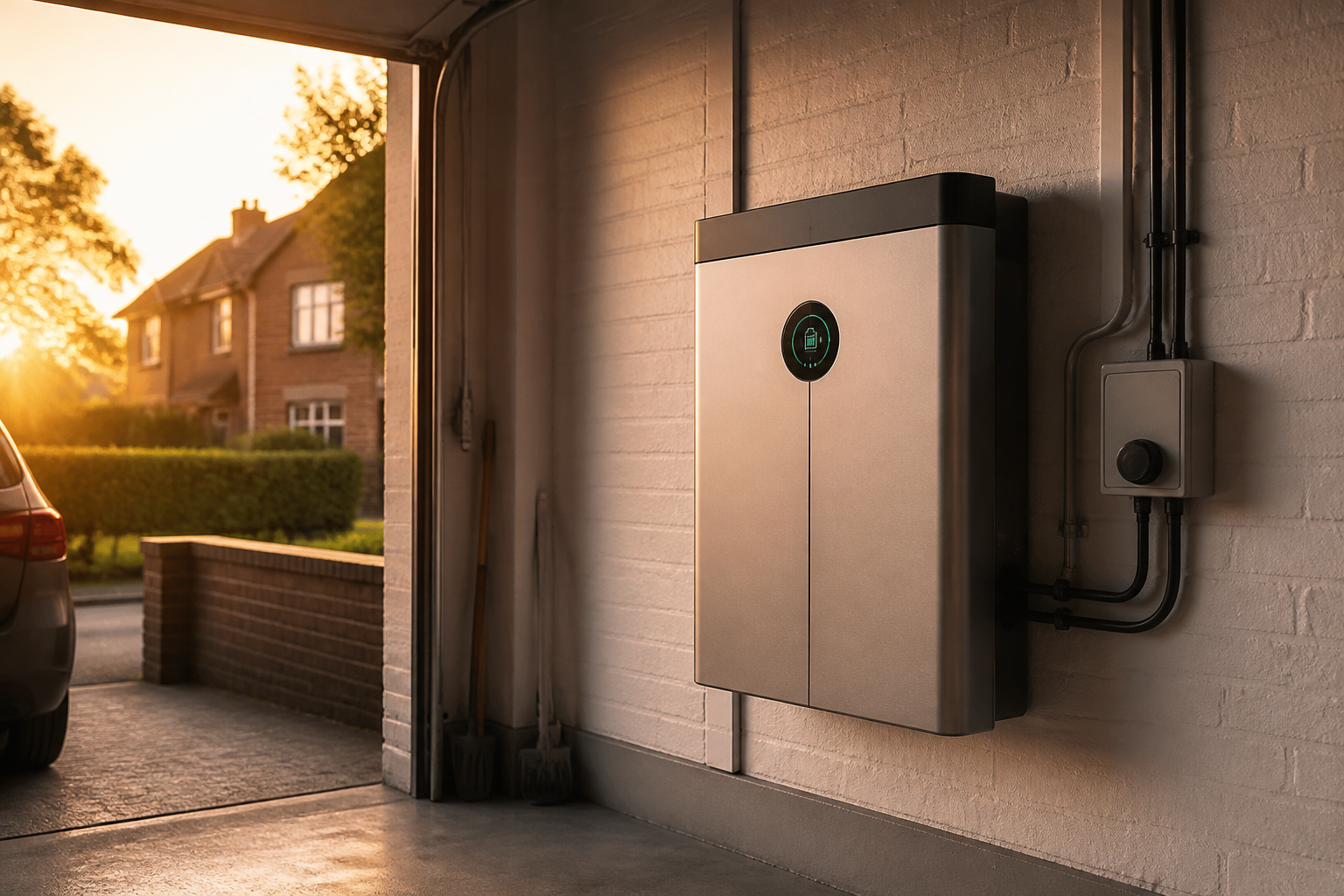
While standalone heat pumps depend heavily on electricity unit rates, multi-technology systems offer far greater control over energy costs. According to findings reported by Energy Live News on 20 July 2026, combining solar photovoltaic (PV) generation, battery storage, an air source heat pump, and a smart home energy management system can reduce overall household energy expenditure by over 80 percent compared to standard grid reliance.
This multi-technology approach, often called system stacking, addresses the seasonal and daily mismatches between renewable generation and household energy demand. Solar PV systems in the UK typically generate the majority of their annual yield between April and September. A domestic battery allows householders to store excess midday solar power for use during evening peak hours, avoiding import rates that usually spike between 4 pm and 7 pm.
During winter months when solar generation declines, a home storage battery paired with a smart tariff allows the property to charge from the grid at cheap overnight rates, often between 7p and 10p per kWh. That stored low-cost electricity can then power the air source heat pump during morning heating cycles. By avoiding peak grid import rates throughout the year, the integrated setup sharply lowers the average cost paid per kWh of electricity consumed across the home.
Summer generation stability and tariff flexibility
On 28 July 2026, wealth manager Lombard Odier published an analysis noting that rooftop solar PV systems demonstrated strong performance during hot summer conditions, offering householders stability against energy price spikes. Although extreme heat slightly reduces solar panel silicon efficiency, the increased day length ensures strong total daily energy yields in kilowatt-peak (kWp) terms.
However, capturing the full economic benefit of domestic generation requires supportive market structures. On 17 July 2026, E.ON UK published an industry commentary stressing that social fairness must remain central to Britain's net zero transition. E.ON highlighted that lower-income households and renters face structural barriers to accessing high-efficiency technology, urging policymakers and energy suppliers to expand targeted support schemes and fair tariff access across England, Scotland, and Wales.
| Setup Configuration | Typical Hardware Components | Key Economic Mechanism | Dependency for Maximum Savings |
|---|---|---|---|
| Standalone Heat Pump | Air source heat pump, hot water cylinder | Replaces fossil gas with electrified space heating | SCOP above 3.5, flow temperatures under 45C, off-peak tariff |
| Standalone Solar PV | 4 kWp roof array, string inverter | Offsets daytime electricity imports | High daytime occupancy or solar diverter for hot water |
| Solar PV plus Storage Battery | 4 kWp array, 5 kWh to 10 kWh battery | Stores daytime solar yield for evening household use | Time-of-use tariff to charge battery cheaply in winter |
| Full Integrated System | Solar PV, battery storage, heat pump, smart tariff | Stacked generation, storage, and low-cost grid charging | Smart energy management software and optimized heating design |
What this means for you
For UK homeowners considering home energy upgrades, recent news reports highlight several concrete steps to optimize performance and guard against high running costs:
- Audit heat pump design parameters: Ensure your installer designs heat pump systems to operate at low flow temperatures (35C to 45C) and sizes radiators appropriately to achieve an SCOP of 3.5 or higher.
- Review energy tariff options: Pair electrified heating and home batteries with smart time-of-use or dynamic tariffs to access cheap off-peak rates.
- Evaluate technology stacking: If capital permits, pair solar PV arrays with battery storage to store self-generated electricity and shift grid import timing.
- Check installer credentials: Ensure installers hold Microgeneration Certification Scheme (MCS) accreditation and belong to consumer protection bodies such as TrustMark, RECC, or HIES to guarantee installation quality and eligibility for government incentives like the Boiler Upgrade Scheme.
- Access workforce benefit programs: Employees can check whether their employer offers the Net Zero Home Scheme, delivered by Net Zero Benefits alongside The Electric Car Scheme, which provides member pricing on solar, batteries, heat pumps, and smart energy tariffs installed by accredited professionals without salary sacrifice or payroll deductions.
Frequently asked questions
Why does a heat pump sometimes cost more to run than a gas boiler?
A heat pump may cost more to run if its Seasonal Coefficient of Performance (SCOP) drops below roughly 3.0 while relying on standard flat-rate electricity tariffs. Because grid electricity is significantly more expensive per kWh than mains gas, a heat pump must operate at high efficiency or utilize low-cost off-peak electricity rates to deliver lower running costs than a gas boiler.
Can a solar array and battery system overcome high electricity rates?
Yes. A solar array paired with a battery allows households to generate their own power during the day and store excess energy for peak evening hours. In winter, householders can charge the battery using low off-peak grid rates, effectively reducing the average price paid per kWh across all home appliances, including heat pumps.
What installer standards should UK homeowners check before booking work?
Homeowners should verify that their installer is accredited under the Microgeneration Certification Scheme (MCS) for renewables, registered with TrustMark for quality assurance, and affiliated with an approved consumer code like the Renewable Energy Consumer Code (RECC) or the Home Insulation and Energy Systems Contractors Scheme (HIES). Electrical installations must also comply with BS 7671 standards, certified through bodies such as NICEIC.
Sources
- Why your heat pump isn’t saving you money – and what could change that, Yahoo News UK
- Combining low-carbon technologies could cut household energy bills by more than 80%, Energy Live News
- Home solar beats the heat and energy shocks, Lombard Odier
- Building a fairer energy future: Why social impact must be central to Britain’s energy transition, E.ON UK